Quick Answer
An energy healing session is a quiet, practitioner-led wellness experience built around the idea of a person’s energy and balance. Sessions vary by style, but many include a short conversation, resting while fully clothed, hands-on or hands-near work, and a brief check-in at the end. Research on energy healing is limited, so it is best viewed as a complementary practice.
If you are new to energy healing, an energy healing session can be hard to picture. There is no standard script, and the words people use to describe it can sound abstract. Will you be touched? Will you need to talk? What are you supposed to feel?
This guide walks through what usually happens during an energy healing session, from the first conversation to the final check-in. You will also find an honest look at what research says, how to prepare, and what to ask a practitioner before you book. If you are exploring energy healing in Sedona, AZ, you will find tips for comparing options too. Every practitioner works a little differently, so treat this as a general overview rather than a script.
What Is an Energy Healing Session?
Energy healing is an umbrella term for practices built on the belief that people have an energy field, and that supporting it may promote balance and well-being. Reiki and Healing Touch are two well-known examples.[2]
In Reiki, according to the National Center for Complementary and Integrative Health (NCCIH), practitioners place their hands lightly on or just above a person, aiming to support that person’s own healing response.[1] These ideas come from traditional and spiritual frameworks. Science has not measured the energy field they describe, so it helps to treat energy healing as a complementary wellness practice, not a medical one.[1]
What Happens During an Energy Healing Session?
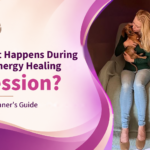
Here is how an energy healing session works in broad terms. Practitioners differ, but the energy healing session process often follows a similar flow.
1. A short conversation
Many practitioners start by asking what brought you in and what you hope to get from the time. Share as much or as little as you like. This is also a good moment to ask what the session will involve.
2. Getting comfortable
You may be asked to lie down or sit in a chair, often fully clothed. The room is usually quiet, and some practitioners add soft music.
3. The hands-on or hands-near portion
The practitioner may rest their hands lightly on your body, hold them just above it, or work without touch. If you prefer no touch, say so before you begin.
4. Quiet time
Much of a session is simply resting. Your job is to breathe and stay comfortable. Some people relax deeply, and some drift in and out of sleep.
5. A gentle close
Many sessions end with a brief check-in. You may be given a moment to sit up slowly and ask questions.
Common Energy Healing Techniques
Energy healing techniques vary, so it helps to ask which style a practitioner uses.
- Reiki: A practice of Japanese origin that uses light touch or hands held just above the body.[1]
- Healing Touch and therapeutic touch: Styles in which practitioners work with their hands near the body, with the aim of balancing a person’s energy field.[2]
- Blended approaches: Some practitioners combine energy work with breathing guidance, meditation, or sound. If you are curious about the sound side, see our overview of vibrational healing.
What Does an Energy Healing Experience Feel Like?
An energy healing experience is personal, and sensations vary widely. Some people describe warmth, tingling, heaviness, or deep relaxation. Others feel emotional, and some notice nothing at all during the session.
None of these reactions means a session worked or failed. Some people say they feel calmer or lighter afterward, and others notice no change. Individual experiences may vary.
What Does Research Say About Energy Healing Benefits?
Energy healing benefits are hard to pin down. NCCIH states that Reiki has not been clearly shown to be effective for any health-related purpose, and that there is no scientific evidence for the energy field it describes.[1] The same page notes that Reiki has not been shown to cause harm.[1]
Some explanations point to the body’s relaxation response, since a quiet, calm setting may feel restful.[2] That remains a theory. Research on Reiki should not be assumed to apply to other styles, and energy healing is not a substitute for medical care.
How to Prepare and Choose an Energy Healing Practitioner
Preparing for your session
Wear comfortable clothing and arrive a few minutes early. Silence your phone, jot down any questions, and mention health concerns or touch preferences up front. Try to come without fixed expectations.
Questions to ask an energy healing practitioner
- Which style or technique do you use?
- Does the session involve touch, and can I opt out?
- How long is a session, and what does it cost?
- What is your training or background?
Requirements for energy healing practitioners vary, so asking about training is reasonable.
Energy healing in Sedona, AZ
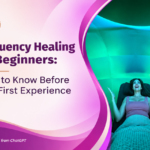
Sedona draws many visitors who want to unwind alongside hiking and sightseeing, and wellness options here range widely. Check each provider’s website for specifics instead of assuming sessions are alike. At Harmonic Egg Sedona, the Harmonic Egg is a separate experience: guests recline in a sound-and-light resonance chamber, so its steps differ from those described above. You can read more on the services page.
Key Takeaways
- An energy healing session is typically quiet and practitioner-led, with conversation, rest, and hands-on or hands-near work.
- Styles and sensations vary, so ask a practitioner what to expect.
- NCCIH says Reiki has not been clearly shown effective for any health-related purpose, so approach energy healing as a complementary practice.
- It is not a substitute for medical care.
Frequently Asked Questions
What should I expect during my first energy healing session?
Expect a short conversation, time to get comfortable, and a mostly quiet session. The practitioner may work with their hands on or near your body, or without touch. Styles differ, so ask beforehand what the session involves. You can speak up if anything feels uncomfortable.
How to prepare for an energy healing session?
Wear comfortable clothing, arrive a few minutes early, and silence your phone. Write down questions about the practitioner’s approach and your touch preferences. Mention any health concerns beforehand. Try to arrive without fixed expectations, since experiences vary widely.
How many energy healing sessions do I need?
There is no set number. Some people try one session, while others return occasionally as part of their self-care routine. Research is limited, so no schedule is proven. Ask your practitioner for guidance.
How long does an energy healing session last?
Length depends on the practitioner and the style, so there is no single standard. Ask when you book, and confirm what is included, such as a conversation beforehand or rest time afterward. For Harmonic Egg Sedona’s current offerings, check the website or call the team.
What should I do after an energy healing session?
Many people take it easy: drink water, rest if you can, and avoid rushing into a packed schedule. Some find it helpful to notice how they feel over the next day or two. If you feel unwell or have lingering concerns, contact a healthcare professional.
Can energy healing replace medical care?
No. Energy healing is a complementary wellness practice, not a medical treatment, and it is not intended to diagnose, treat, cure, or prevent any condition. Keep seeing your healthcare provider, and do not change or stop medication because of a session.
Conclusion
An energy healing session is usually a calm, quiet experience built around conversation, rest, and a practitioner’s hands-on or hands-near work. What you feel can vary a lot, and research does not show that it treats medical conditions. Knowing the typical flow, preparing a few questions, and choosing a practitioner you feel comfortable with can help you decide whether an energy healing session fits your wellness interests.